.png)
In the banking industry—where brand trust, digital experience, and the speed of information diffusion play a critical role in building and sustaining customer loyalty—social media data should not be leveraged only when a crisis occurs. On the contrary, social data continuously and directly reflects the needs, expectations, and “pain points” of financial service users, ranging from service fees and transaction processes to digital platform experiences and expectations for new banking features. When systematically analyzed, insights derived from social listening become a strategic input for banks to inform product development, optimize the customer journey, and fine-tune communication strategies in line with market context and evolving consumer behavior. Therefore, the key question is no longer whether banks need social listening, but rather how millions of social conversations can be transformed into timely, focused decisions with measurable business impact.
Social Media Research is a form of market research based on naturally occurring user discussions across digital environments, including social networks, forums, blogs, review platforms, and online news outlets. Rather than relying on predefined questionnaires or scripted research scenarios, Social Media Research enables banks to directly observe how customers express their needs, emotions, and viewpoints in real-life contexts—providing an authentic reflection of how financial products and services are experienced in everyday life.
With its advantages in broad data coverage and rapid updates, Social Media Research allows banks to quickly identify shifts in customer sentiment following new product launches, policy adjustments, or when facing sensitive issues related to brand trust and reputation. When combined with transaction data—which shows what customers are doing—insights from social data add a critical layer of understanding around what customers are thinking and how they feel. This complementary perspective forms an essential foundation for banks not only to manage emerging issues, but also to proactively uncover insights that inform product development and communication strategies.
In the banking industry, product development is inherently complex. Customer needs are highly fragmented, product lifecycles are long, and many decisions still rely heavily on internal data or periodic surveys. While these data sources are effective in reviewing past behaviors, they are often insufficient for identifying emerging needs at an early stage. This is precisely the gap that Social Media Research helps to address—by capturing early signals of new customer expectations and interests from social conversations, before they become visible in business performance reports.
Looking more broadly across the financial services sector, transaction fees are the most frequently mentioned criterion (38%) when customers choose securities products, followed by transaction fee exemptions (14.7%). This high sensitivity to cost—rather than brand credibility—in the context of frequent transactions represents a critical insight for designing product packages that effectively attract new users.

Building on this insight, VNDIRECT launched a free equity trading program for new account holders from July 21, 2025 to October 21, 2025, positioning it as a time-bound incentive to stimulate account openings and encourage initial usage. In contrast, DNSE adopted a lifetime free trading strategy. These two initiatives illustrate how brands can leverage social insights to adjust product structures and pricing policies—rather than merely optimizing communication messages—thereby directly addressing the core “pain points” that users care about most.
By analyzing user discussion themes, brands can identify the most relevant communication messages and select the most effective channels to reach each target audience segment. Once a campaign is launched, Social Media Research continues to play a measurement and feedback role, enabling content and communication teams to continuously optimize performance—by adjusting content formats, refining supporting messages, and reallocating budgets based on actual effectiveness.
As a result, communication efforts go beyond simply increasing reach. They enhance impact, gradually transforming consumer perception into action—moving audiences from awareness and consideration to actual usage decisions.
Learn more about the Insight for Planning Framework—a strategic framework that helps brands transform social media data into clear communication directions and actionable initiatives across each stage of the consumer journey—here: LINK
In the financial and banking industry, crises rarely begin with an official press release. More often, they emerge from scattered discussions on social media—such as complaints about application errors, suspicions of fraud, or inconsistent service experiences. Real-time monitoring of social discussions enables banks to detect early “warning signals” before issues escalate and spread widely.
More importantly, analyzing discussion volume, diffusion speed, and emotional sentiment allows banks to assess the severity of an issue—distinguishing between isolated feedback that can be handled by customer service teams and risks that may escalate into full-scale crises. This approach enables banks to respond in a timely and focused manner, rather than reacting passively once public sentiment has already intensified.
Read more to explore how communication crises unfold on social media here: LINK
Social Media Research enables banks to continuously monitor brand “health” through key indicators such as discussion volume, sentiment, share of voice versus competitors, and shifts in discussion topics over time. Beyond reflecting brand perception from the consumer’s perspective, these data also allow banks to contextualize their performance within the broader industry—identifying emerging trends, saturated topics, and which brands are leading the conversation, as well as why.
When tracked on a regular basis, social listening becomes a flexible form of industry research, helping banks proactively identify opportunities and risks, and adjust brand strategies based on real market dynamics—rather than relying solely on annual summary reports.
As discussed above, Social Media Research not only helps banks determine what to say and who to speak to, but can also guide the entire communication strategy—from platform selection and execution formats to how the brand positions itself within consumers’ cultural lives. Techcombank’s partnership with the program Anh Trai Vượt Ngàn Chông Gai serves as a representative example of how banks can leverage social insights to design a sponsorship strategy that goes beyond the singular objective of increasing reach.
From a content perspective, Anh Trai Vượt Ngàn Chông Gai recorded a clear surge in discussion volume from its early episodes, with discussion peaks centered around performances that demonstrated strong social media shareability—most notably the “Trống Cơm” mashup. The program’s approach to reinterpreting traditional cultural elements in a polished, artistically rich manner, combined with the participation of veteran artists, enabled it to effectively attract a mature audience segment—individuals with stable financial foundations who prioritize meaningful and high-quality entertainment experiences. This audience segment also aligns closely with Techcombank’s strategic target customers.

What set Techcombank apart from other sponsoring brands was not the frequency of its appearances but the degree to which the brand aligned with consumer insights. Rather than remaining on the sidelines as a conventional “sponsor,” Techcombank took an active role by organizing live concerts, extending the audience experience beyond the screen and into real life. At the same time, brand messages were not delivered through overt advertising but instead conveyed organically through the program’s artists - figures who already held strong influence within their fan communities, allowing the content to be received more naturally. In parallel, the concept of “Automatic Earning” was simplified and consistently reinforced, eventually even becoming a form of slang within the target audience group. By translating an otherwise abstract financial feature into everyday language that was easy to understand and repeat, Techcombank was able to move beyond awareness and positive sentiment, gradually converting affinity for the program into tangible financial behaviors.

Overall, real-world practices in the financial and banking industry demonstrate that social listening is no longer limited to crisis management. Instead, it is increasingly becoming a critical foundation that enables brands to develop products, plan communications, build communities, and shape long-term brand positioning.

Social Listening is a form of market research based on social media discussions, helping to analyze brand health, campaigns, special events, and more...
Along with the development of social networks, Social Listening is also growing in application capabilities. If in the past, Social Listening was only about collecting social media data, today data collection is only a part of Social Listening. Measuring buzz volume or sentiment is no longer the only function of Social Listening. In the context of this article, let's look at old questions through a new lens: What is social listening and what role does it play in social media marketing?
Social Listening is a form of market research that analyzes online user discussions across social media platforms. It involves the collection and analysis of conversations from various online platforms, including social media, forums, blogs, news sites, and review websites. Unlike traditional research methods, Social Listening works primarily with unstructured data, offering businesses real-time feedback from diverse users across different online platforms.
Typically, a Social Listening process follows these steps:
- Step 1: Build an analysis plan
Researchers begin by defining the context and research objectives, then set the key questions to be addressed.
- Step 2: Data collection
Using Social Listening tools, researchers gather data based on keywords from all social platforms, ensuring an accurate and comprehensive understanding of trends and industry data.
- Step 3: Data filtering and analysis
After collecting data, researchers filter out irrelevant or misleading information to ensure accuracy. Data is processed through AI systems and human verification to find potential insights.
- Step 4: Data visualization and reporting
Finally, the results are compiled into a complete report with visualized data for easier understanding and decision-making.
Social Listening data sources are not limited to major social media platforms like Facebook, Instagram, TikTok, or Threads. They also cover any medium that allows multi-way interaction, including forums, e-newspapers (comment sections), blogs, and e-commerce review sections.
(A) API Data Collection
This method connects Social Listening tools to the APIs (Application Programming Interfaces) of social networks to retrieve posts containing specific keywords.
- Advantages: Allows access to all data from the network, including personal pages.
- Disadvantages: API reliability may fluctuate, leading to incomplete or inconsistent data over time.
(B) Site Data Collection
This method involves accessing listed sites to collect data without disrupting the websites, either by manual or automatic data gathering processes.
- Advantages: Ensures 100% of data on the site is collected.
- Disadvantages: Certain issues, like site changes or blocking, may cause temporary data shortages.
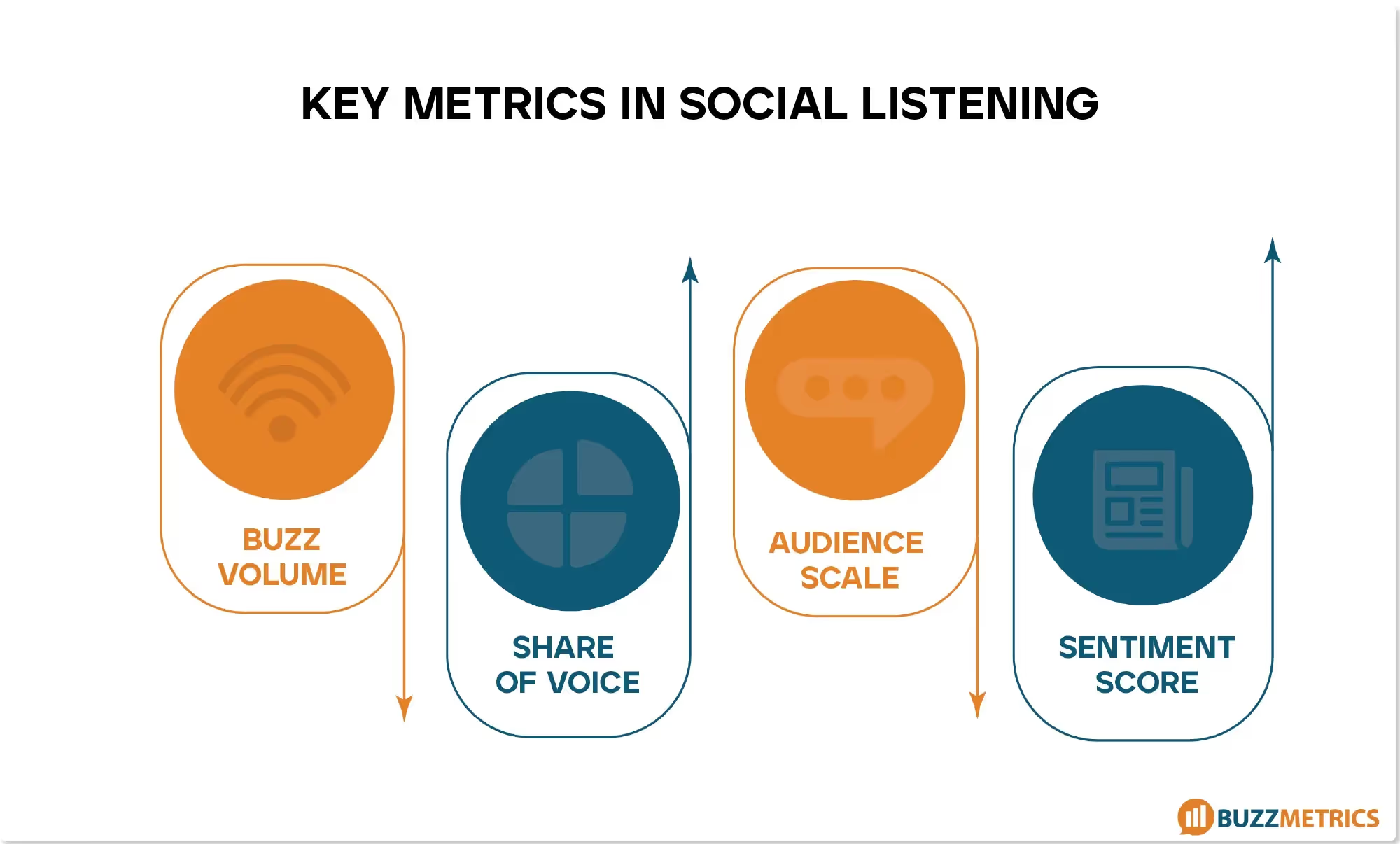
When conducting research via Social Listening, marketers should focus on key metrics to gain a comprehensive view of the research landscape and measure the effectiveness of their Social Media Marketing strategies:
- Buzz Volume: The number of discussions (posts, comments, or shares) about a specific topic.
- Share of Voice (SOV): Compares the discussion volume of a brand against competitors.
- Audience Scale: The number of individuals participating in discussions about a topic.
- Sentiment Score: Indicates users' emotions toward a topic, calculated by comparing positive and negative discussions.
Initially, Social Listening was seen by many marketers as a purely measurement tool, providing basic metrics about campaigns or brands in comparison with competitors (such as discussion volume, participant count, sentiment scores, etc.). However, over time, social media has expanded significantly in scale. Users have become more familiar with Digital Transformation, sharing more than ever, and social media trends are emerging increasingly. As a result, the scope of social media data has broadened, offering a wealth of potential information to support Social Media Marketing strategies. Consequently, Social Listening has also evolved to gather data across various platforms and meet diverse research needs from marketers.
For each research focus, marketers can apply Social Listening to a range of different areas. Typically, marketers can use Social Listening for three main research directions: (1) Insight Understanding, (2) Campaign Tracking, (3) Crisis Management.
This research can provide a comprehensive overview of a specific industry, including e-commerce performance, brand image identification, and opportunities for differentiation. It also outlines the target audience's profile, capturing public attitudes and usage toward products/brands/industries.
a. Industry Competitive Landscape:
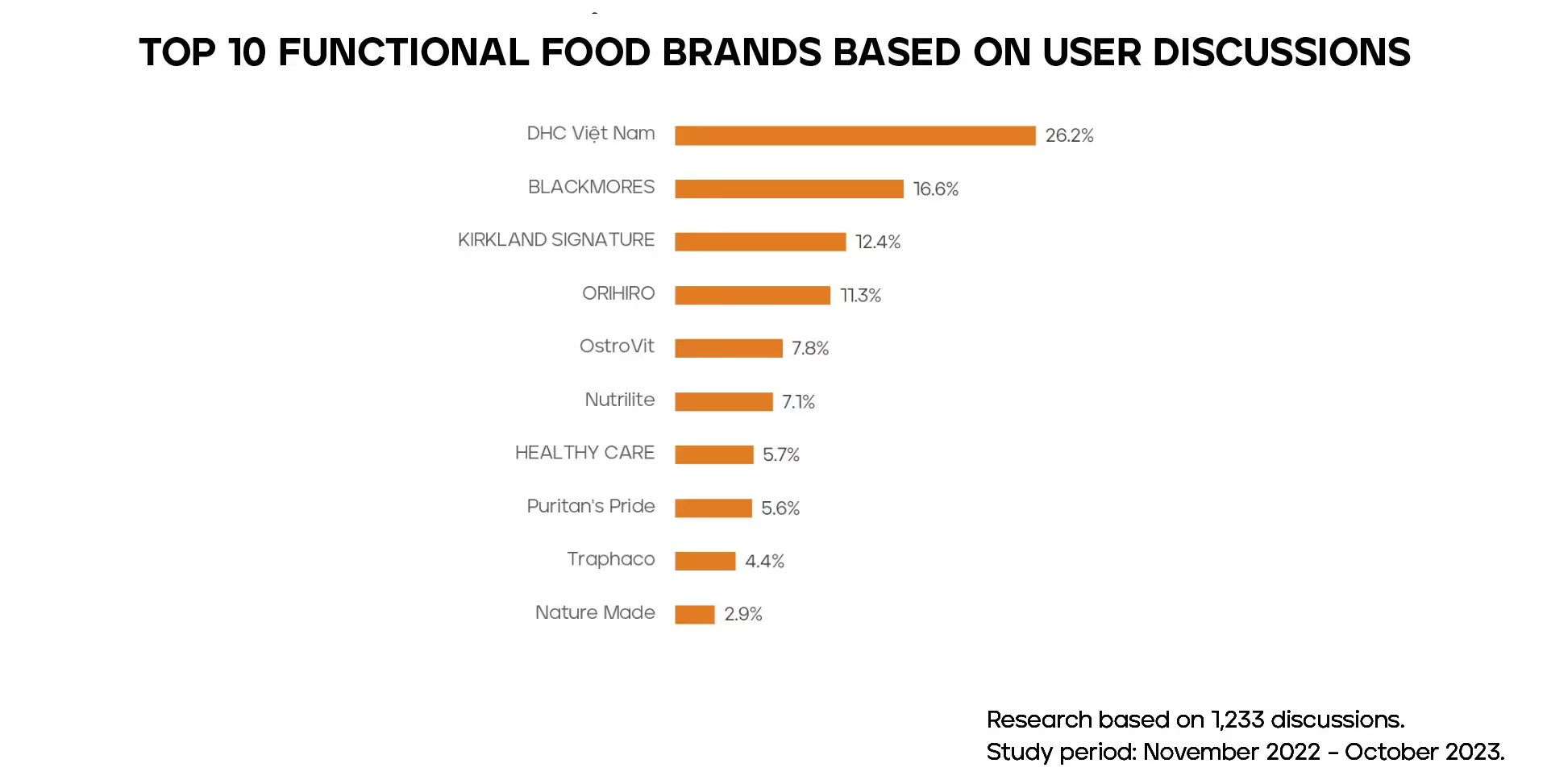
For instance, the chart below shows the most-discussed functional food brands over a certain period. From this, brands can identify their competitors, understand their position in the competitive landscape, and aim for top-of-mind awareness among consumers. Moreover, by quoting user discussions, researchers can pinpoint issues regarding public perception of both the brand and its competitors. This allows the brand to compare, recognize problems, and take corrective action if needed.
→ Read more: Exploring Insights in the Functional Food Industry: Challenges and Opportunities in the Digital Era
b. Brand Image and Differentiation:
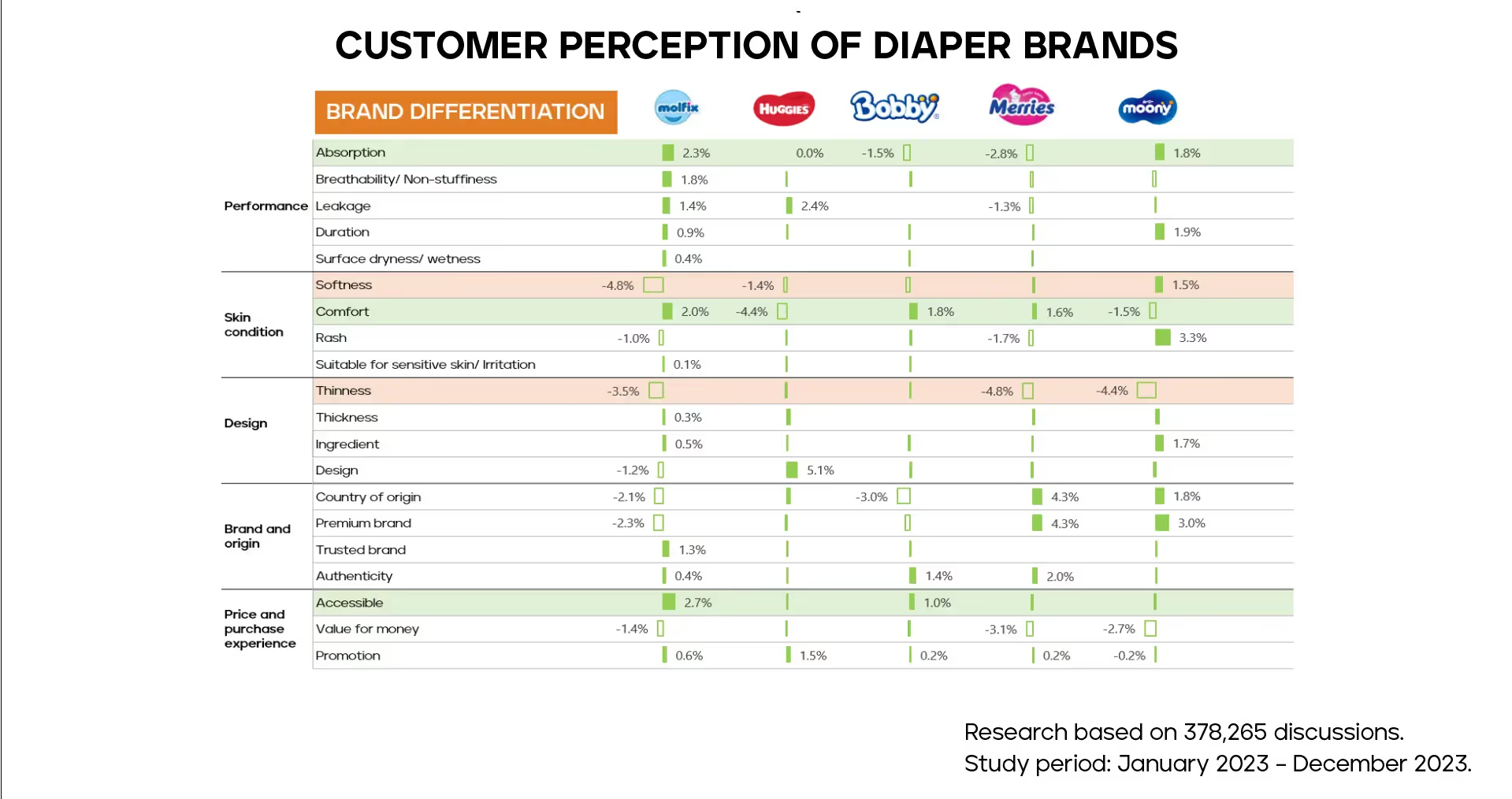
An example of Buzzmetrics research on leading diaper brands paints a detailed picture of brand differentiation. Compared to other brands, Molfix’s product performs exceptionally well in absorbency. However, aspects like softness and thinness received negative feedback. Molfix’s branding team can also monitor current customer perceptions of competitors and identify areas for improvement.
c. Usage and Attitude Research (UnA):
UnA research focuses on consumer discussions and plays a key role in unveiling the consumer landscape of an industry. It addresses key questions like:
- Users' interest levels in the product/brand on social media
- Awareness, usage, and consumer behavior displayed on social platforms
- Motivations and barriers to product/brand consumption
- General satisfaction/dissatisfaction with current products/services
- Users’ needs, unmet demands, or general expectations
d. Target Audience Segmentation:
In some cases, brands aim to understand consumers not just from a product buyer perspective but from a broader context that includes their lifestyle and habits. Social Listening can support brands in achieving this.
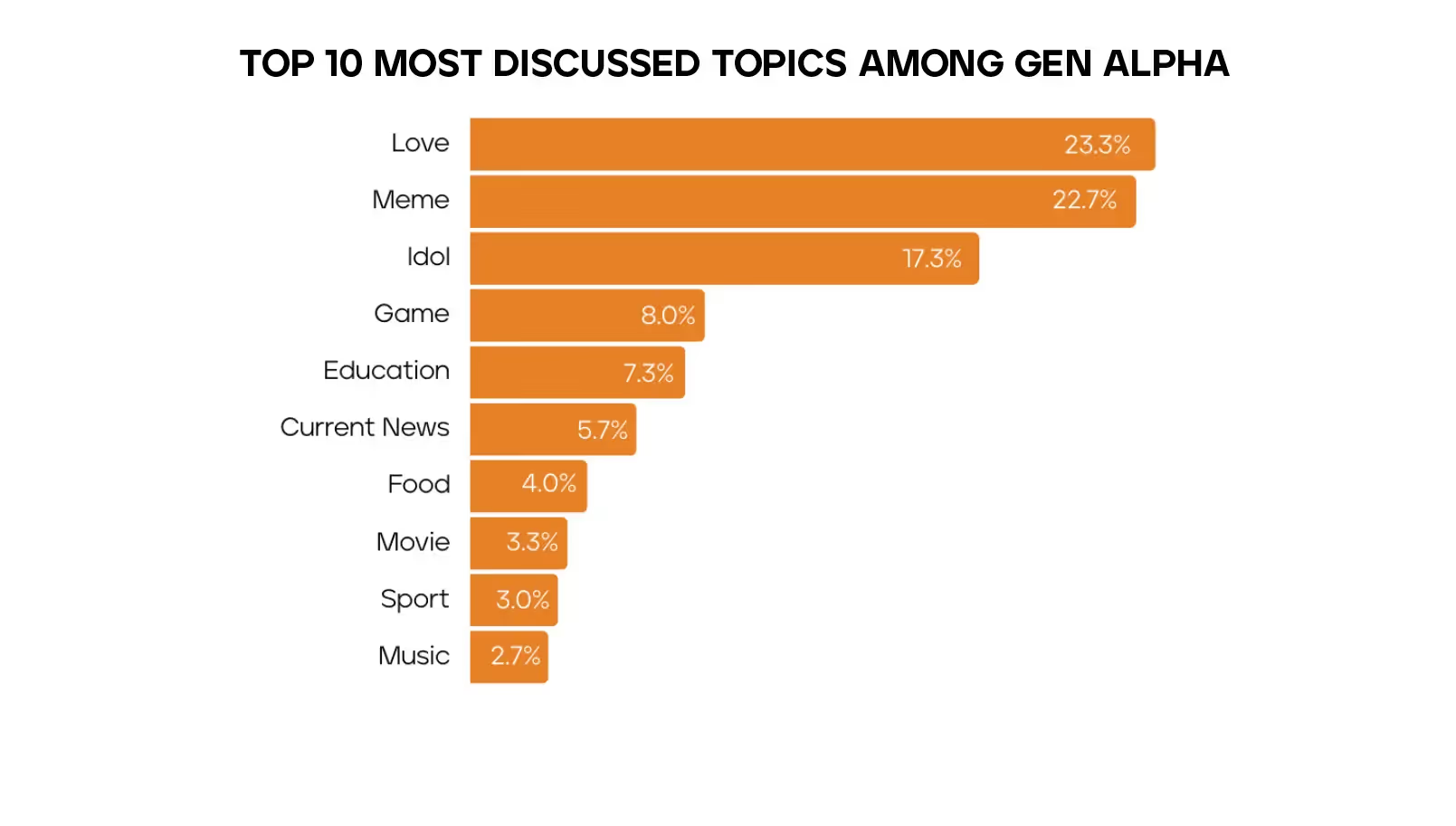
For instance, analyzing the most-discussed topics within Gen Alpha revealed that "love" was the top theme, surpassing even "education" and "games." This insight shows that to engage Gen Alpha, brands should consider using "love" as a central theme to attract attention and foster interaction.
→ Read more: Gen Alpha: What Sets the Next Generation of Consumers Apart?
Notably, social media is segmented by interests. Therefore, identifying user groups and their main concerns is crucial in segmenting the social media audience. Pinpointing key interests and insights will help brands align their marketing tactics with user interests. As a result, branded content and messaging are more likely to appear in users' feeds, capturing attention, generating engagement, fostering recall and affinity, or even leading to user-generated content (UGC) related to the brand.
Social Listening supports marketers in planning, creating content, and adjusting strategies in real time throughout all phases of a campaign. It helps track brand sentiment and ensures campaigns align with audience expectations.
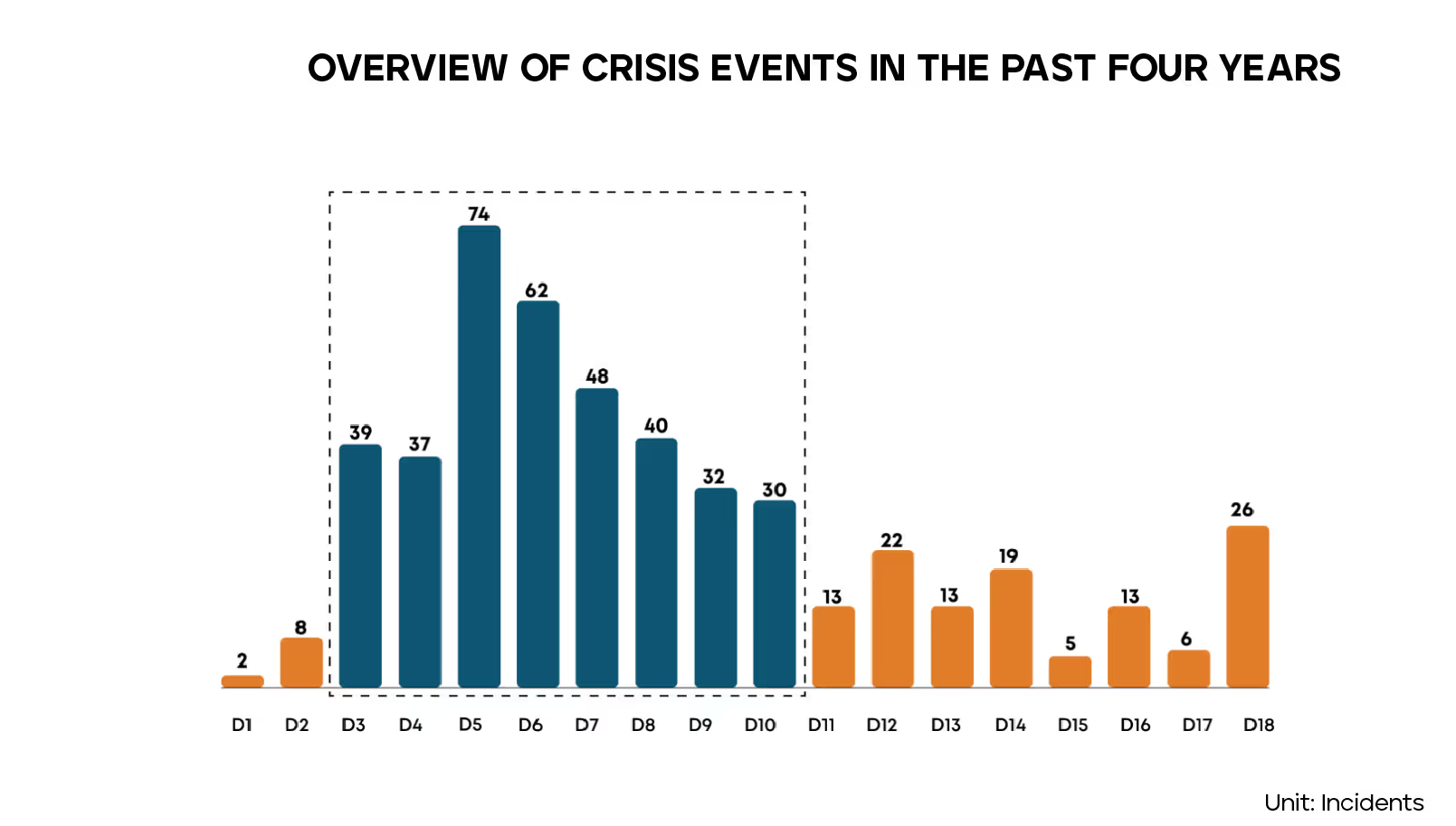
Today, even a small complaint on Facebook can cause significant damage to a brand. As consumers become increasingly familiar with social media, the likelihood of crises occurring rises. Our Social Listening data shows that while the number of crises has decreased as brands take a more proactive role in crisis management, the average scale of a crisis has grown significantly.
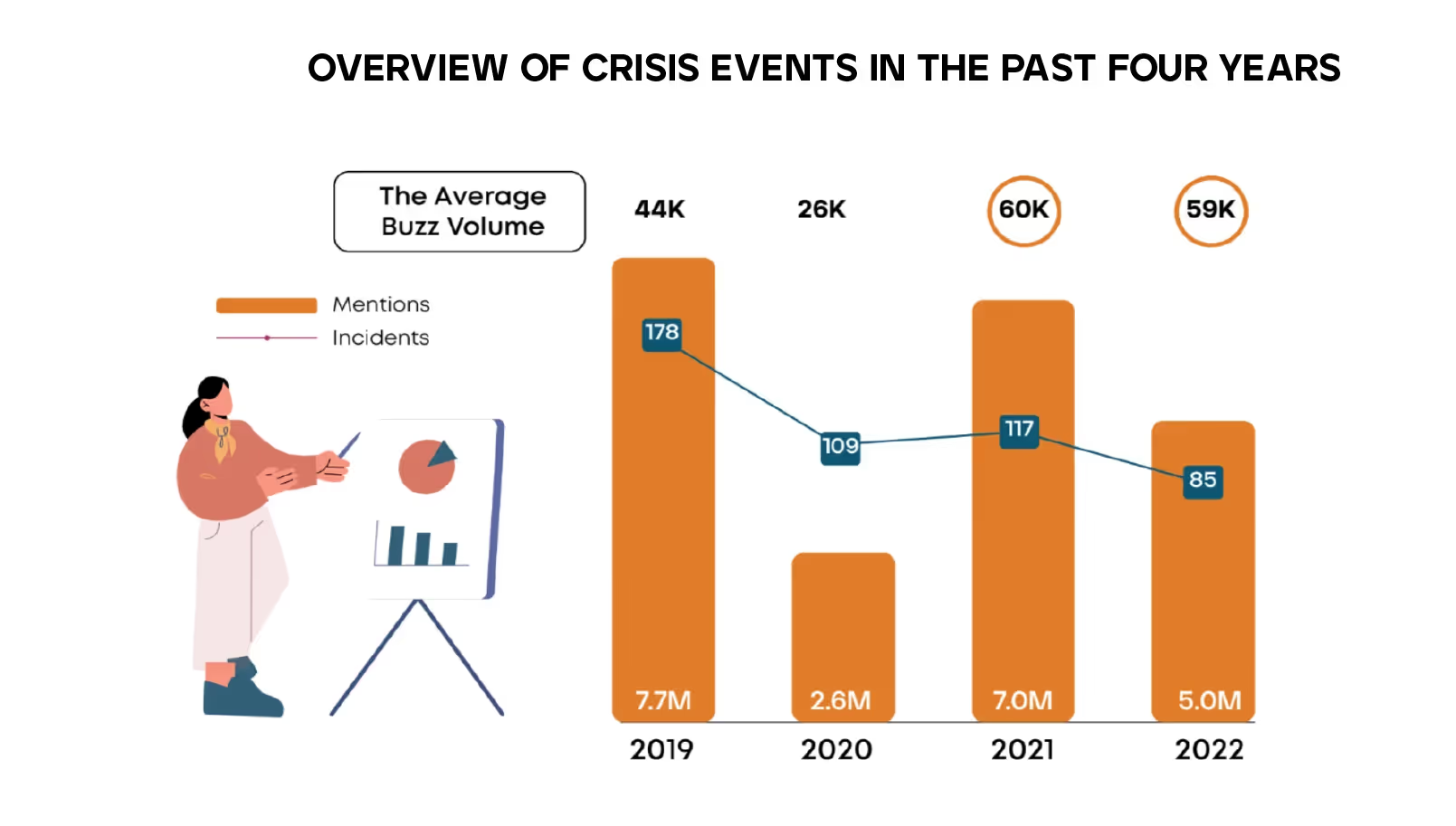
Crises may seem to occur randomly and can impact any brand for seemingly arbitrary reasons. This makes social media crises difficult to track and challenging for brands to respond to. However, through Social Listening, not only can crises be monitored, but their patterns can also be identified, allowing brands to develop strategic response plans.
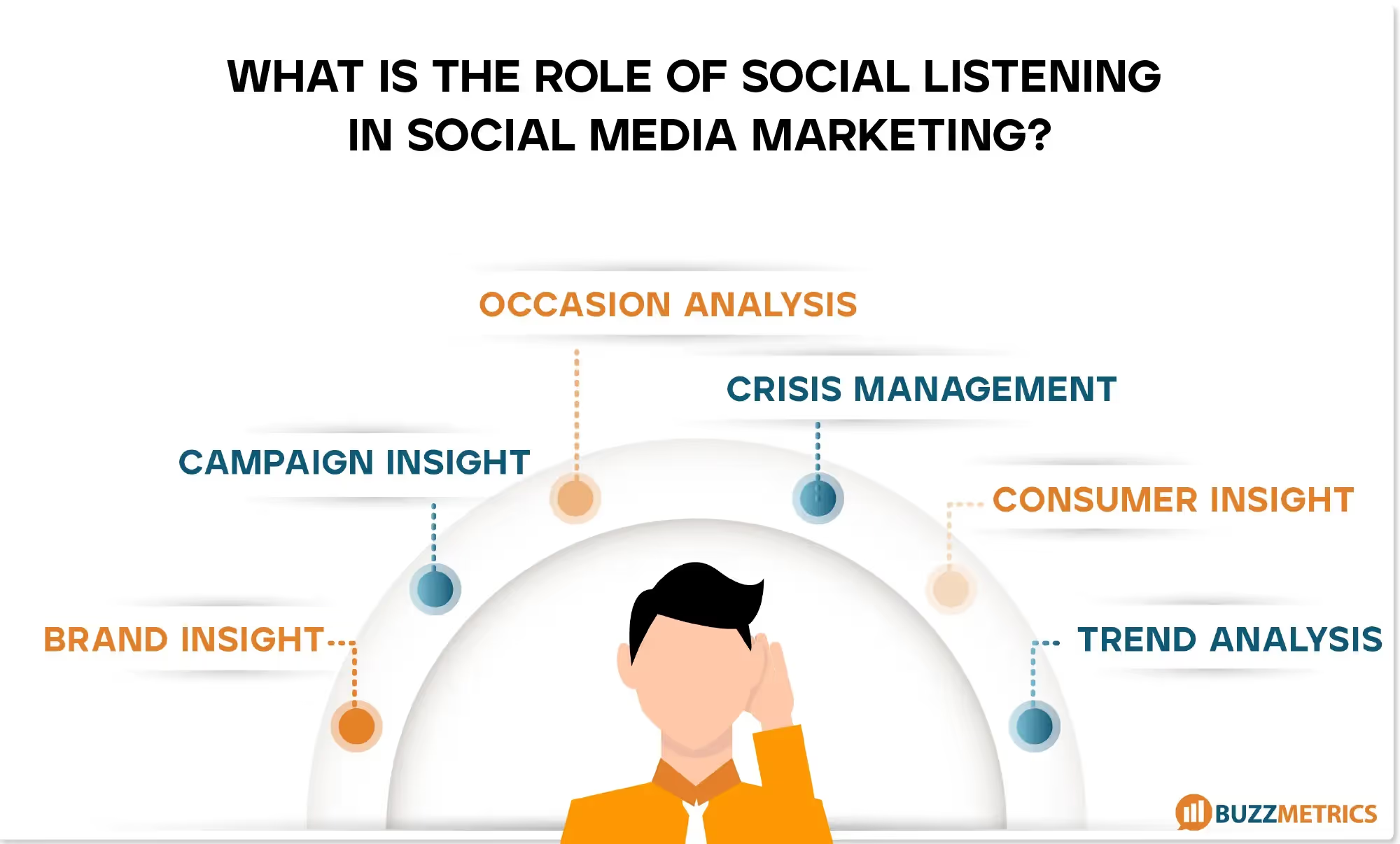
By analyzing user discussions on social media and providing actionable insights to brands, Social Listening plays a critical role in shaping communication strategies. The most common applications of Social Listening include gathering insights, tracking campaign performance, and managing crises.
To learn more about metrics, marketers can refer to here