The Lunar New Year (Tet) season has always been the most fiercely competitive "battleground" of the year for Vietnamese marketers, where brands pour their full resources into capturing the minds and hearts of consumers. As no exception, the upcoming Tet 2026 is forecasted to witness a race more intense and cutthroat than ever before.
As previously noted by Buzzmetrics, even before the first week of 2026 had passed, nearly 60 Tet campaigns had already been launched. In just the following 7 days (from January 5th to 12th), the market witnessed a quantum leap:
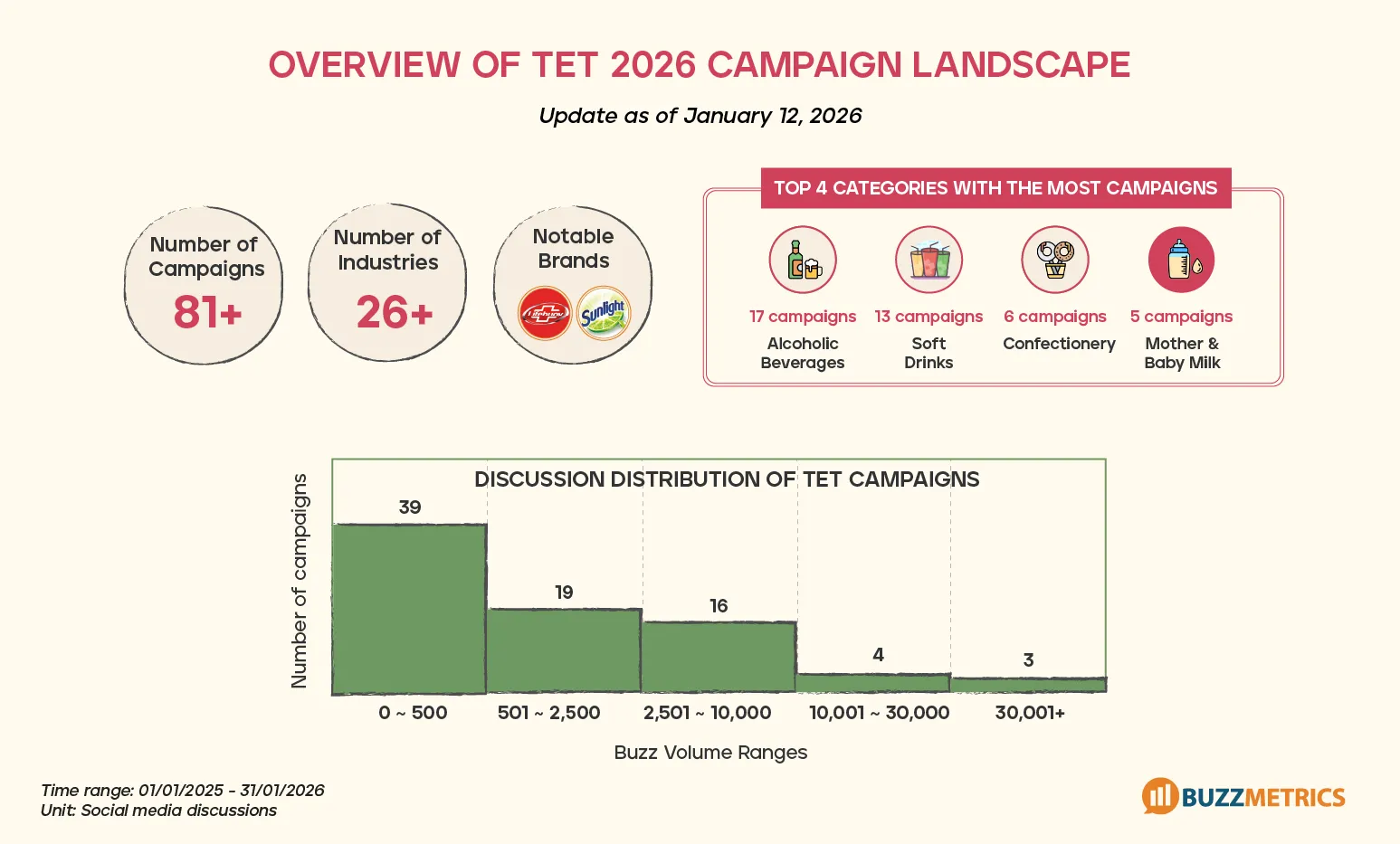
Campaigns are increasingly differentiating in terms of discussion volume thresholds, reflecting intense competition. Whereas last week the top campaign only reached around 10,000 buzz, the leading group has now surged powerfully into the range of 30,000 to 50,000 buzz.
As the Tet race heats up by the hour, the most pressing question is no longer “How many discussions do we have?” but rather “How many of those discussions are truly meaningful?” In this context, Qualified Metrics - Buzzmetrics’ system of quality-based indicators- has become the guiding compass for uncovering real effectiveness behind explosive numbers.
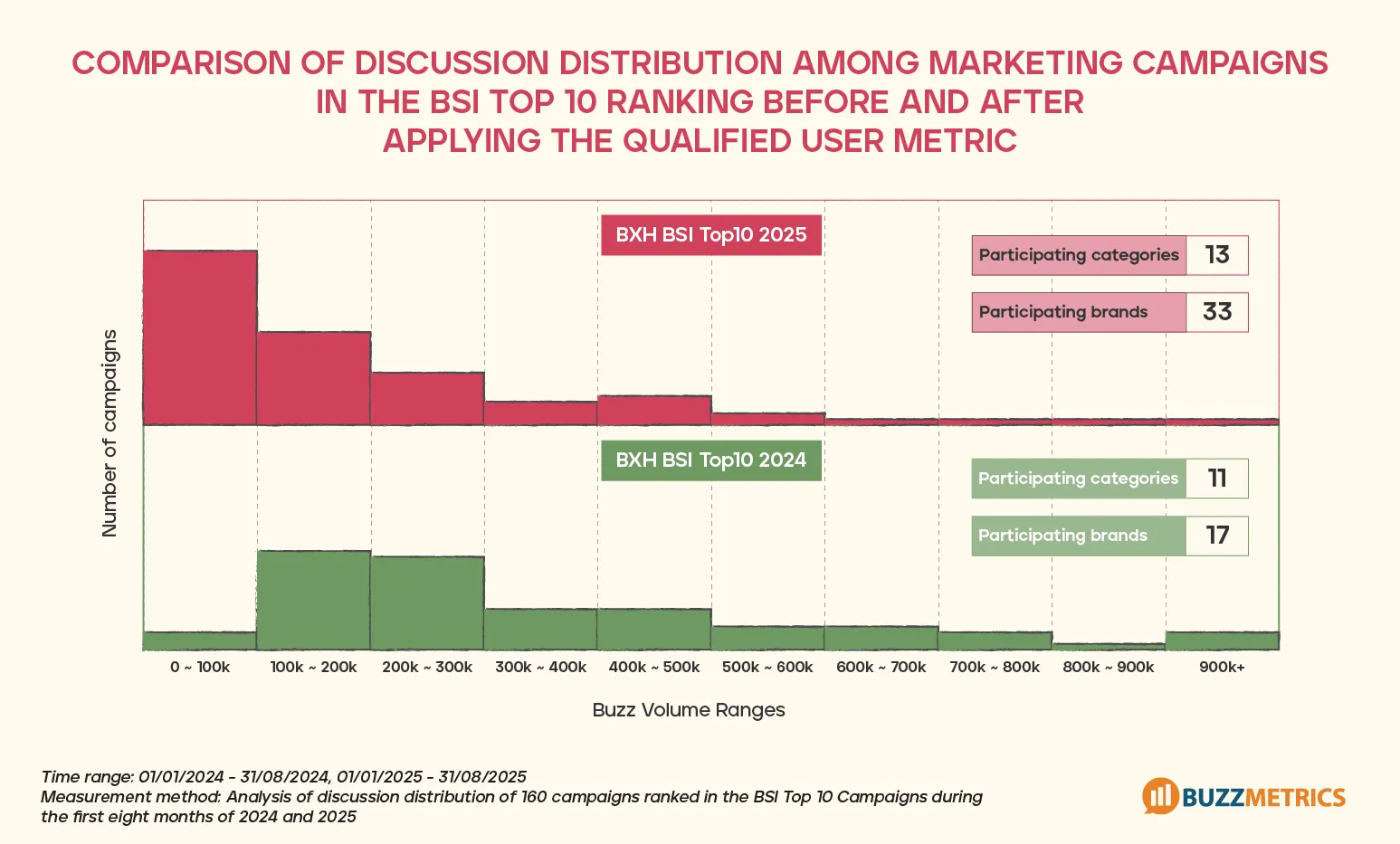
Tet 2025 marked the first season Buzzmetrics applied Qualified Metrics in campaign evaluation, leading to what can be described as a “positive disruption.” Campaign rankings before and after the application shifted significantly. Campaigns that once appeared dominant in terms of Buzz Volume suddenly dropped, replaced by less noisy campaigns with higher-quality discussions and more valuable user participation.
So, what exactly are Qualified Metrics? And how do they reshape the way campaign impact is measured? Let’s explore together in this article.
In the early days of social media analysis, one commonly referenced metric was Total Audience- the number of users generating discussions. This metric helped brands roughly estimate campaign reach. However, Total Audience fails to account for “abnormal” accounts- those created in bulk or operating at unnatural posting frequencies, often sharing content mechanically. This posed a major challenge in campaign effectiveness evaluation.
Recognizing this issue, Qualified User emerged as a smart filtering layer pioneered by Buzzmetrics. A user is considered Qualified only when they meet strict criteria:
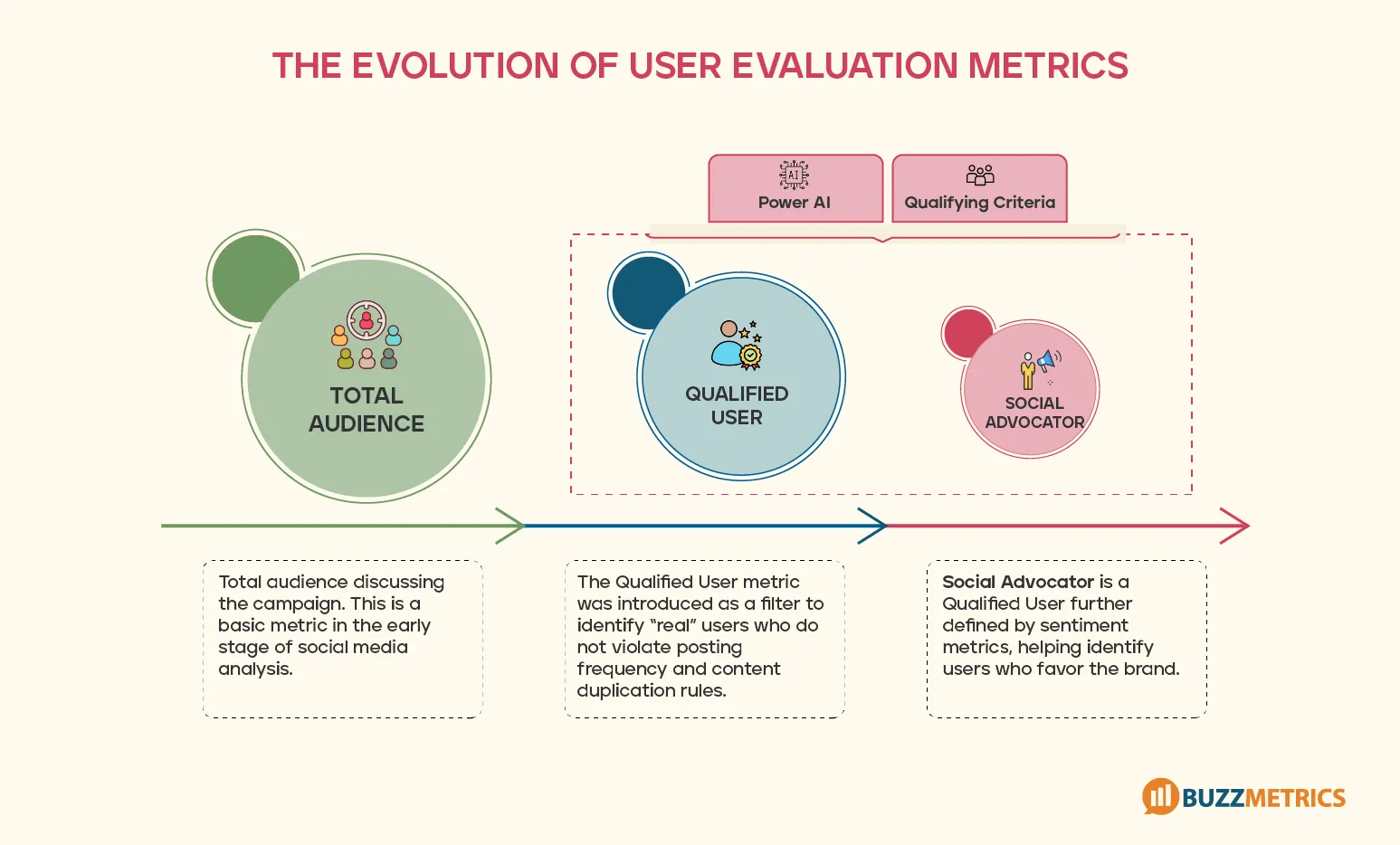
Identifying Qualified Users within a complex social environment marks a significant advancement in data analysis. It helps eliminate noise and refocus efforts on user groups with real conversion potential. When a Qualified User not only discusses a campaign but also expresses preference, support, and voluntarily shares positive brand-related content, they become a Social Advocator. This is the most valuable asset of any Tet campaign, as their voice carries far more weight than conventional advertising posts.
Qualified User is not just another data point. In practice, it functions as an underlying “operating system” that influences and constrains other metrics, forming the broader Qualified Metrics ecosystem.
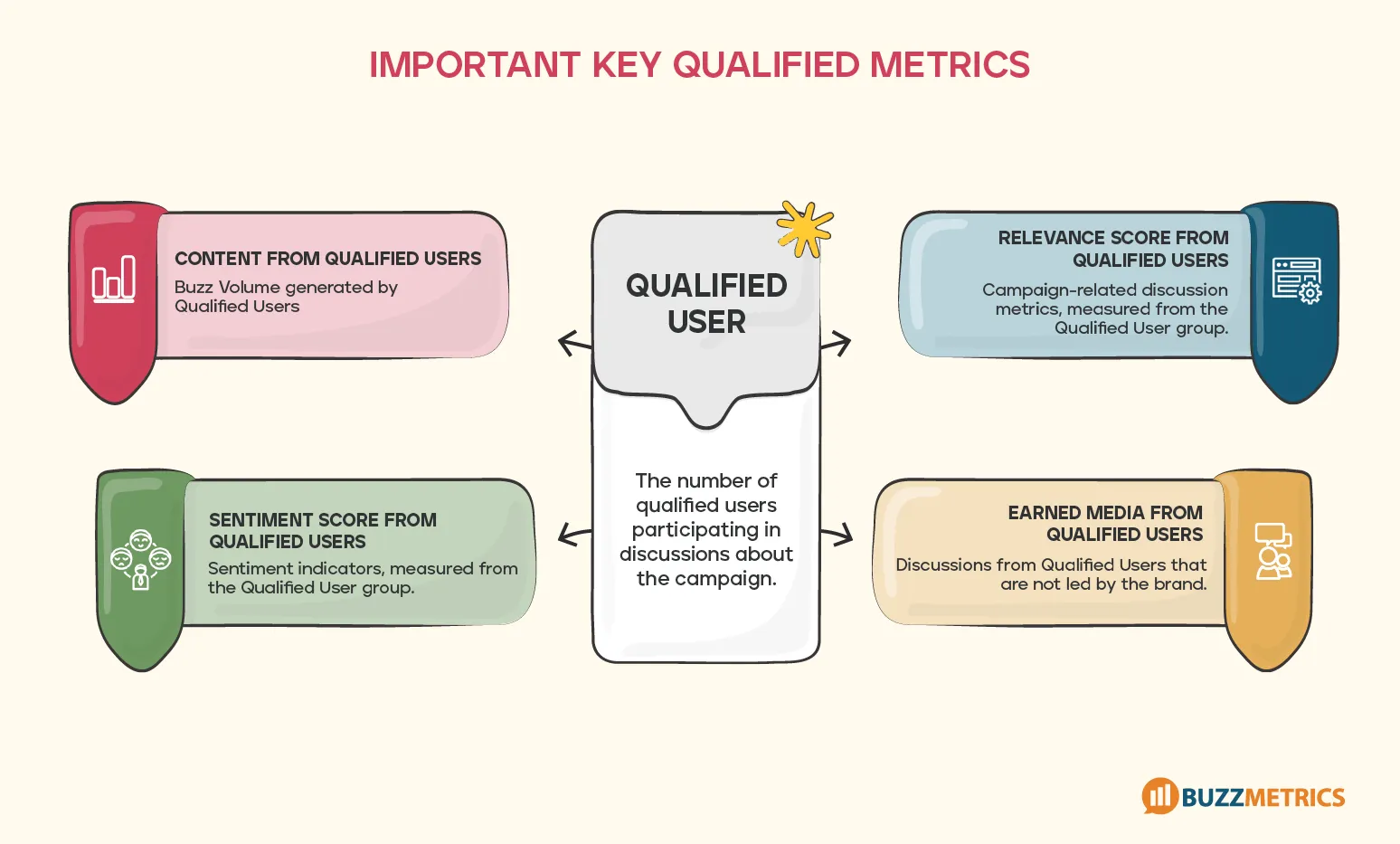
When Qualified User is used as the foundation, the following key metrics are directly impacted:
So how have Qualified Metrics tangibly influenced campaign evaluation? Looking at the long-term picture across the first eight months of 2025, since Qualified Metrics were applied to the BSI Top 10 Campaigns ranking, the marketing landscape has become more dynamic than ever. New categories and smaller brands with creative approaches have appeared in the BSI Top10. This provides well-deserved recognition for campaigns that generate "real engagement, real buzz."
It encourages Agencies and Brands to focus on creative content rather than an arms race based on "artificial volume." This is also the basis for Buzzmetrics to continue applying Qualified Metrics to evaluate Tet 2026 campaigns. It can be said that Qualified Metrics are no longer an option but have become a mandatory requirement in social media conversation analysis.
Although Tet 2026 campaigns have only reached the halfway mark, the market is already vibrant and highly creative. With rapid growth in both campaign volume and discussion intensity, evaluation based on Qualified Metrics is no longer a luxury-it is a necessity. Qualified Metrics not only help protect brand value but also enable real-time campaign optimization. Don’t let inflated numbers drown out the authentic voice of real users.

Social Listening is a form of market research based on social media discussions, helping to analyze brand health, campaigns, special events, and more...
Along with the development of social networks, Social Listening is also growing in application capabilities. If in the past, Social Listening was only about collecting social media data, today data collection is only a part of Social Listening. Measuring buzz volume or sentiment is no longer the only function of Social Listening. In the context of this article, let's look at old questions through a new lens: What is social listening and what role does it play in social media marketing?
Social Listening is a form of market research that analyzes online user discussions across social media platforms. It involves the collection and analysis of conversations from various online platforms, including social media, forums, blogs, news sites, and review websites. Unlike traditional research methods, Social Listening works primarily with unstructured data, offering businesses real-time feedback from diverse users across different online platforms.
Typically, a Social Listening process follows these steps:
- Step 1: Build an analysis plan
Researchers begin by defining the context and research objectives, then set the key questions to be addressed.
- Step 2: Data collection
Using Social Listening tools, researchers gather data based on keywords from all social platforms, ensuring an accurate and comprehensive understanding of trends and industry data.
- Step 3: Data filtering and analysis
After collecting data, researchers filter out irrelevant or misleading information to ensure accuracy. Data is processed through AI systems and human verification to find potential insights.
- Step 4: Data visualization and reporting
Finally, the results are compiled into a complete report with visualized data for easier understanding and decision-making.
Social Listening data sources are not limited to major social media platforms like Facebook, Instagram, TikTok, or Threads. They also cover any medium that allows multi-way interaction, including forums, e-newspapers (comment sections), blogs, and e-commerce review sections.
(A) API Data Collection
This method connects Social Listening tools to the APIs (Application Programming Interfaces) of social networks to retrieve posts containing specific keywords.
- Advantages: Allows access to all data from the network, including personal pages.
- Disadvantages: API reliability may fluctuate, leading to incomplete or inconsistent data over time.
(B) Site Data Collection
This method involves accessing listed sites to collect data without disrupting the websites, either by manual or automatic data gathering processes.
- Advantages: Ensures 100% of data on the site is collected.
- Disadvantages: Certain issues, like site changes or blocking, may cause temporary data shortages.
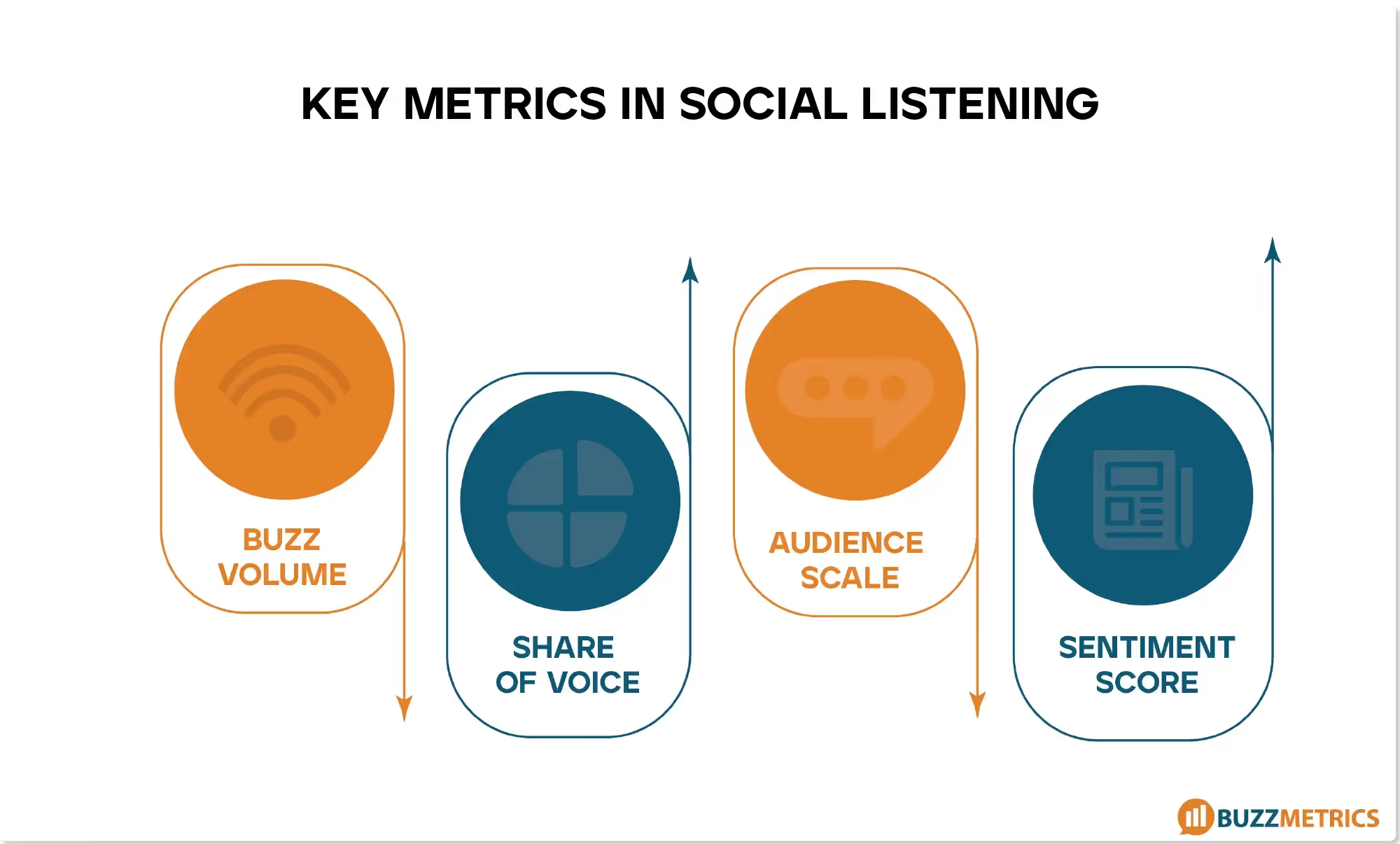
When conducting research via Social Listening, marketers should focus on key metrics to gain a comprehensive view of the research landscape and measure the effectiveness of their Social Media Marketing strategies:
- Buzz Volume: The number of discussions (posts, comments, or shares) about a specific topic.
- Share of Voice (SOV): Compares the discussion volume of a brand against competitors.
- Audience Scale: The number of individuals participating in discussions about a topic.
- Sentiment Score: Indicates users' emotions toward a topic, calculated by comparing positive and negative discussions.
Initially, Social Listening was seen by many marketers as a purely measurement tool, providing basic metrics about campaigns or brands in comparison with competitors (such as discussion volume, participant count, sentiment scores, etc.). However, over time, social media has expanded significantly in scale. Users have become more familiar with Digital Transformation, sharing more than ever, and social media trends are emerging increasingly. As a result, the scope of social media data has broadened, offering a wealth of potential information to support Social Media Marketing strategies. Consequently, Social Listening has also evolved to gather data across various platforms and meet diverse research needs from marketers.
For each research focus, marketers can apply Social Listening to a range of different areas. Typically, marketers can use Social Listening for three main research directions: (1) Insight Understanding, (2) Campaign Tracking, (3) Crisis Management.
This research can provide a comprehensive overview of a specific industry, including e-commerce performance, brand image identification, and opportunities for differentiation. It also outlines the target audience's profile, capturing public attitudes and usage toward products/brands/industries.
a. Industry Competitive Landscape:
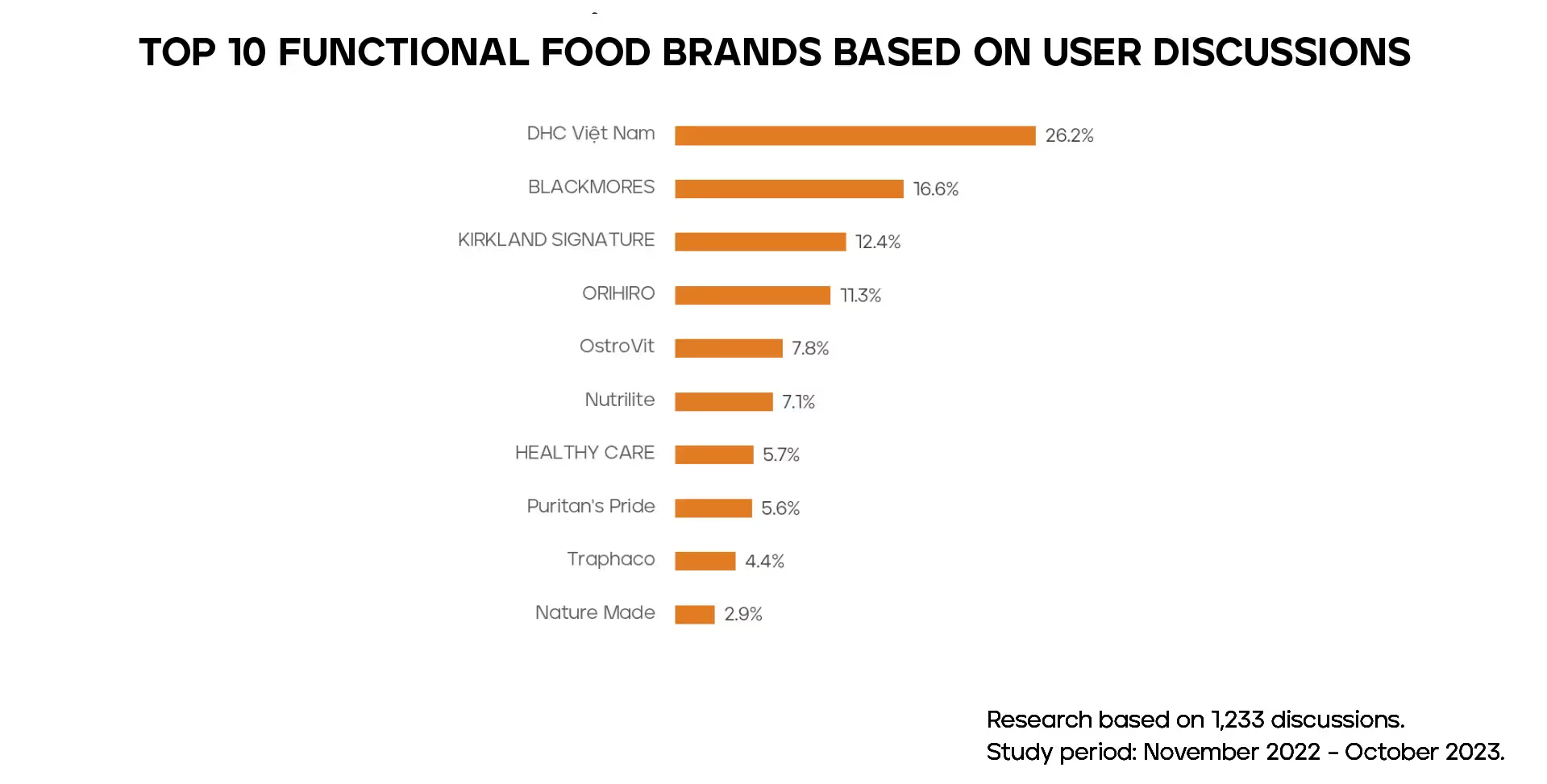
For instance, the chart below shows the most-discussed functional food brands over a certain period. From this, brands can identify their competitors, understand their position in the competitive landscape, and aim for top-of-mind awareness among consumers. Moreover, by quoting user discussions, researchers can pinpoint issues regarding public perception of both the brand and its competitors. This allows the brand to compare, recognize problems, and take corrective action if needed.
→ Read more: Exploring Insights in the Functional Food Industry: Challenges and Opportunities in the Digital Era
b. Brand Image and Differentiation:
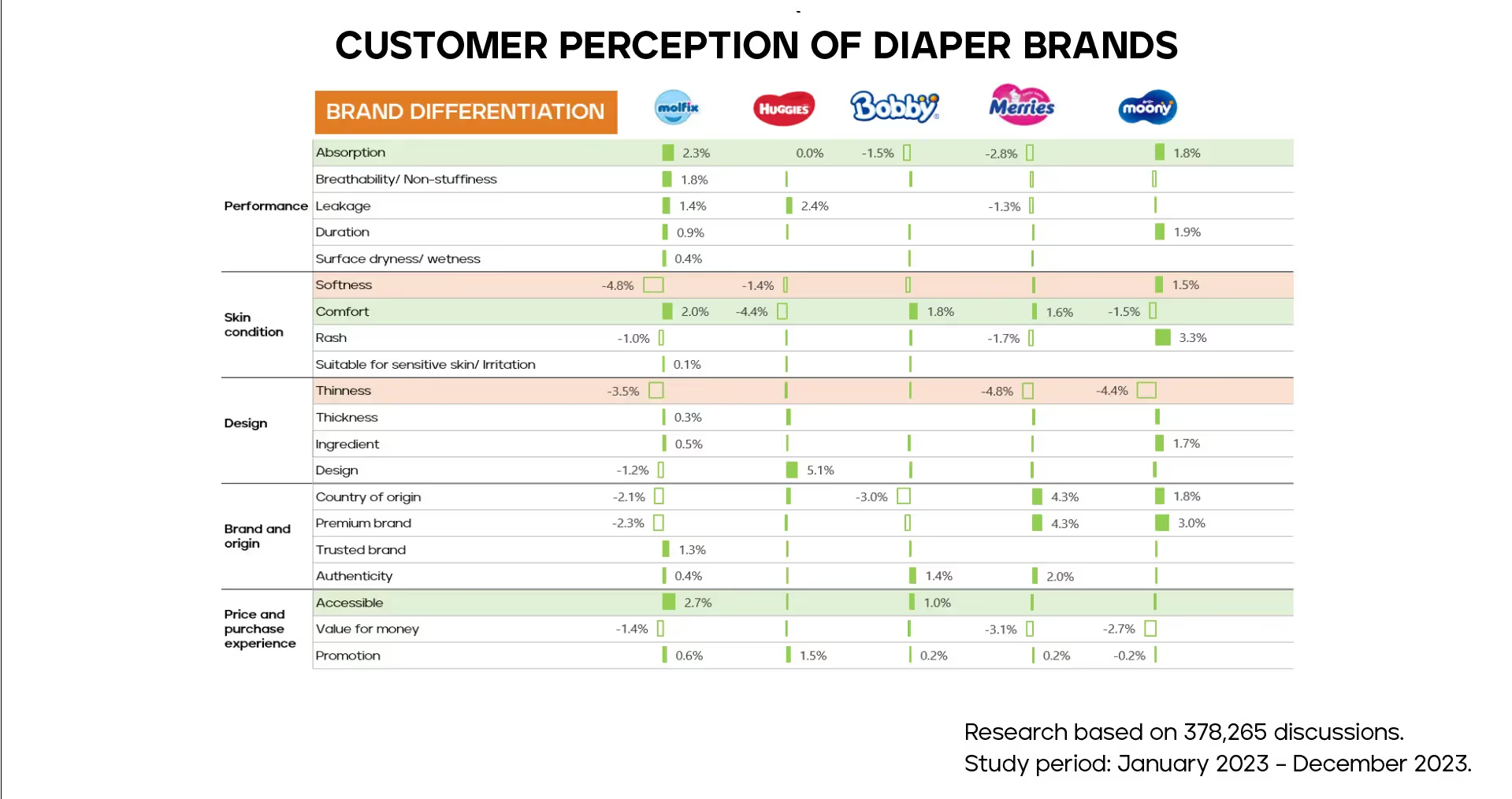
An example of Buzzmetrics research on leading diaper brands paints a detailed picture of brand differentiation. Compared to other brands, Molfix’s product performs exceptionally well in absorbency. However, aspects like softness and thinness received negative feedback. Molfix’s branding team can also monitor current customer perceptions of competitors and identify areas for improvement.
c. Usage and Attitude Research (UnA):
UnA research focuses on consumer discussions and plays a key role in unveiling the consumer landscape of an industry. It addresses key questions like:
- Users' interest levels in the product/brand on social media
- Awareness, usage, and consumer behavior displayed on social platforms
- Motivations and barriers to product/brand consumption
- General satisfaction/dissatisfaction with current products/services
- Users’ needs, unmet demands, or general expectations
d. Target Audience Segmentation:
In some cases, brands aim to understand consumers not just from a product buyer perspective but from a broader context that includes their lifestyle and habits. Social Listening can support brands in achieving this.
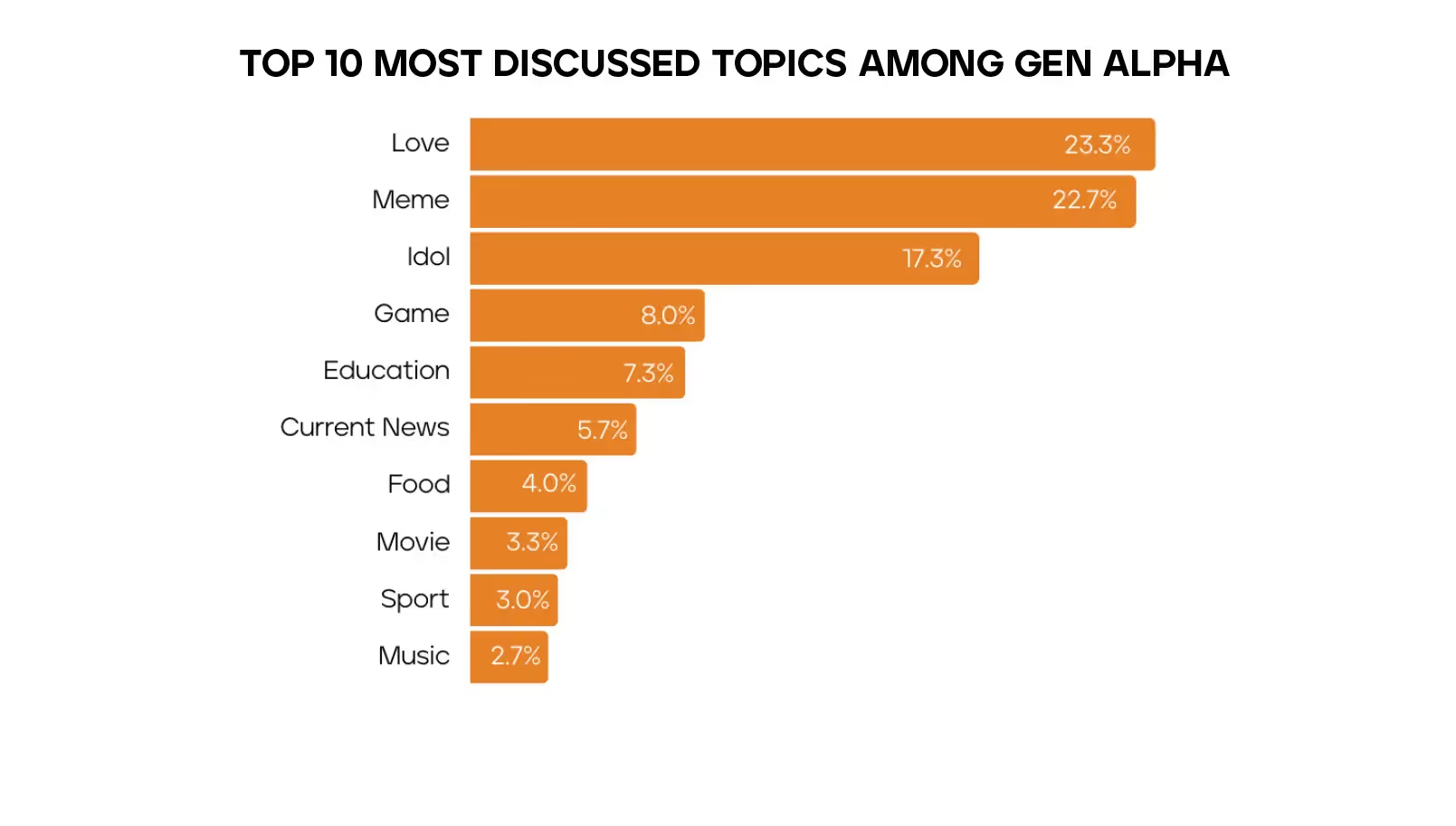
For instance, analyzing the most-discussed topics within Gen Alpha revealed that "love" was the top theme, surpassing even "education" and "games." This insight shows that to engage Gen Alpha, brands should consider using "love" as a central theme to attract attention and foster interaction.
→ Read more: Gen Alpha: What Sets the Next Generation of Consumers Apart?
Notably, social media is segmented by interests. Therefore, identifying user groups and their main concerns is crucial in segmenting the social media audience. Pinpointing key interests and insights will help brands align their marketing tactics with user interests. As a result, branded content and messaging are more likely to appear in users' feeds, capturing attention, generating engagement, fostering recall and affinity, or even leading to user-generated content (UGC) related to the brand.
Social Listening supports marketers in planning, creating content, and adjusting strategies in real time throughout all phases of a campaign. It helps track brand sentiment and ensures campaigns align with audience expectations.
Today, even a small complaint on Facebook can cause significant damage to a brand. As consumers become increasingly familiar with social media, the likelihood of crises occurring rises. Our Social Listening data shows that while the number of crises has decreased as brands take a more proactive role in crisis management, the average scale of a crisis has grown significantly.
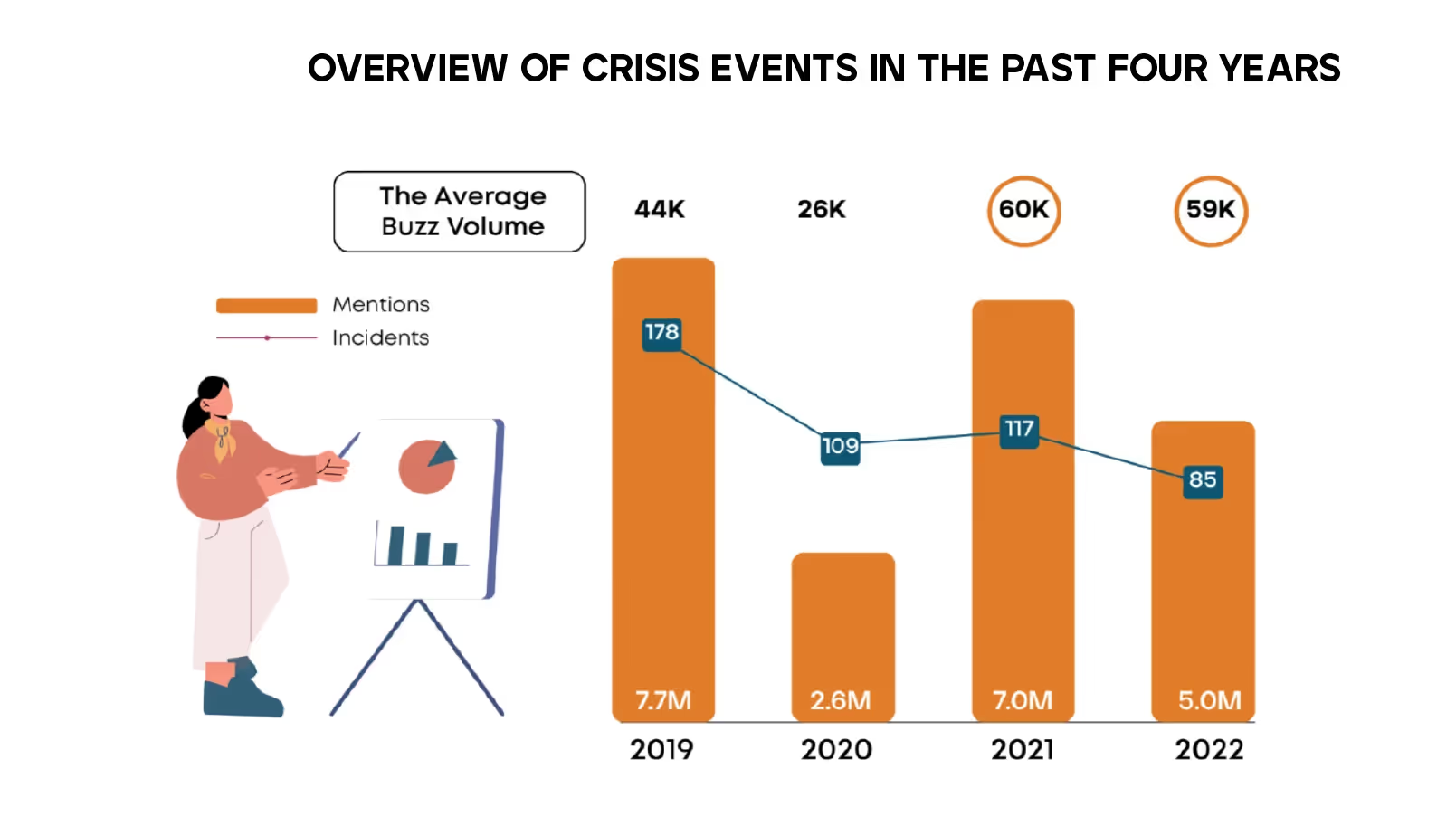
Crises may seem to occur randomly and can impact any brand for seemingly arbitrary reasons. This makes social media crises difficult to track and challenging for brands to respond to. However, through Social Listening, not only can crises be monitored, but their patterns can also be identified, allowing brands to develop strategic response plans.
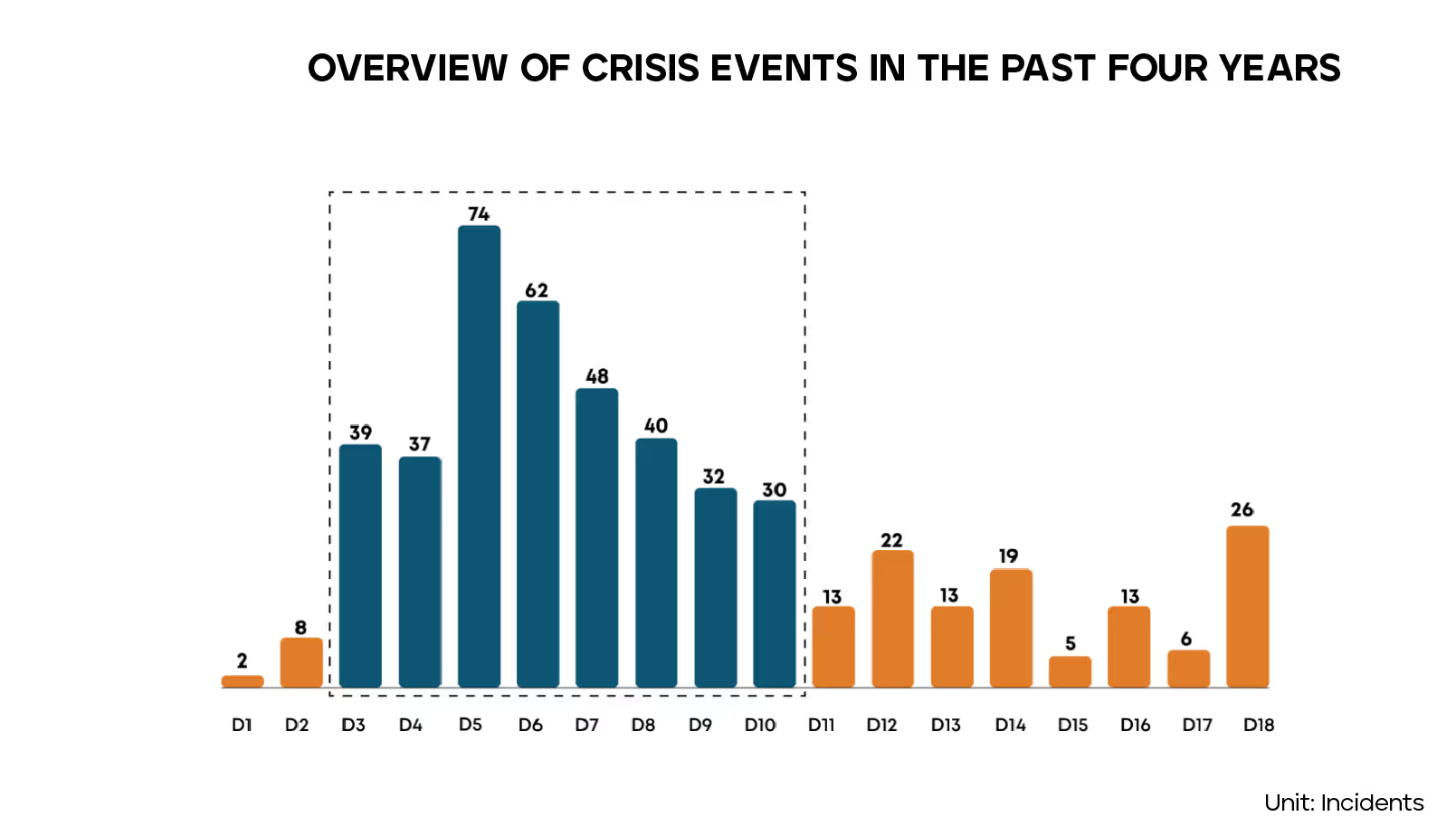
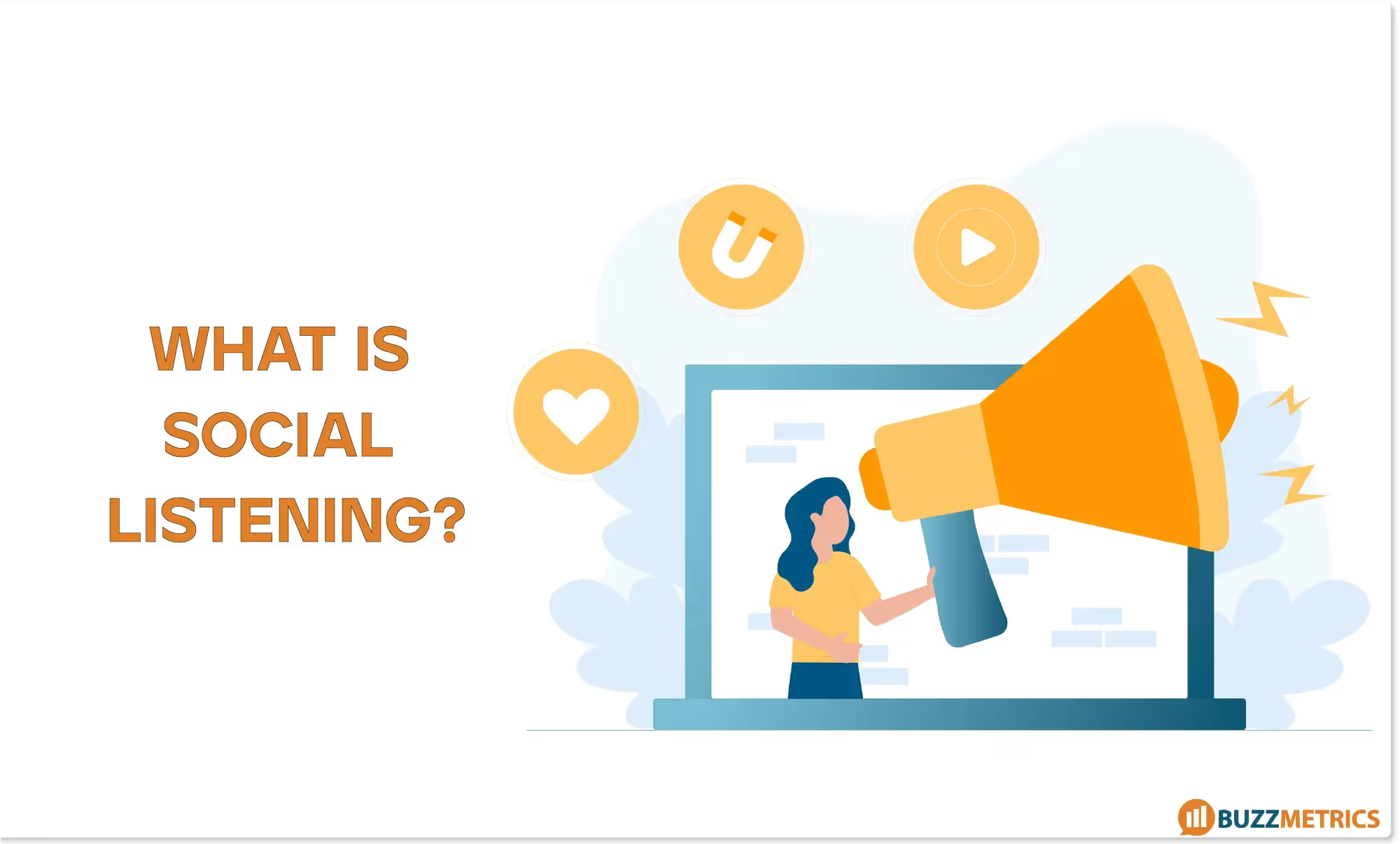
By analyzing user discussions on social media and providing actionable insights to brands, Social Listening plays a critical role in shaping communication strategies. The most common applications of Social Listening include gathering insights, tracking campaign performance, and managing crises.
To learn more about metrics, marketers can refer to here